The Art of Splendor Solis, the Most Glorious Illuminated Alchemical Manuscript of Them All

When it was pub­lished in the Unit­ed States in 1998, Har­ry Pot­ter and the Philoso­pher’s Stone was reti­tled Har­ry Pot­ter and the Sor­cer­er’s Stone. The jokes about the Amer­i­can read­ing pub­lic’s appar­ent aller­gy to the very word philoso­pher write them­selves, but the change was also unfor­tu­nate for more sub­stan­tial rea­sons. A “sor­cer­er’s stone” had no cul­tur­al res­o­nance at all, where­as the philoso­pher’s stone had been sought after since, at the very lat­est, the dawn of the fourth cen­tu­ry. Some sources claim that human knowl­edge of it goes all the way back to Adam, who got the word direct­ly from God. In any case, it’s no mys­tery why the philoso­pher’s stone has long cap­tured the col­lec­tive imag­i­na­tion of human­i­ty, giv­en that it’s reput­ed to turn lead into gold.

Among the rumored pos­ses­sors of the philoso­pher’s stone through­out his­to­ry is Salomon Tris­mosin, a six­teenth-cen­tu­ry Renais­sance alchemist who taught the influ­en­tial physi­cian Paracel­sus. He’s also cred­it­ed, at least in leg­ends, with writ­ing Splen­dor Solis, a book once no less desir­able than the next Har­ry Pot­ter vol­ume in that series’ hey­day.

Noth­ing so mun­dane as “a list of instruc­tions for whip­ping up a lit­tle alchem­i­cal soup in the hope of find­ing a nugget of arti­fi­cial gold in the pot at the end,” writes Jörg Völl­nagel at Medievalists.net, it rather “sets forth the phi­los­o­phy of alche­my, a world view accord­ing to which the human being (the alchemist) exists and acts in har­mo­ny with nature, respect­ing divine cre­ation and at the same time inter­ven­ing in the process­es under­ly­ing that cre­ation, all the while sup­port­ing its growth with the help of alche­my.”

As “a — or rather the – prime exam­ple of an illu­mi­nat­ed alchem­i­cal man­u­script,” Splen­dor Solis has drawn the fas­ci­na­tion of even such mod­ern fig­ures as William But­ler Yeats, James Joyce, and Umber­to Eco. It also became an impor­tant work in the sym­bol­ic-cul­tur­al uni­verse of Carl Jung, who, accord­ing to the Asso­ci­a­tion of Jun­gian Ana­lysts, “rec­og­nized the alchem­i­cal motifs and sym­bols as expres­sions of the indi­vid­u­a­tion process, the trans­for­ma­tion and inte­gra­tion of the psy­che. Splen­dor Solis, with its rich sym­bol­ism and pro­found alle­gories, res­onat­ed with Jung’s under­stand­ing of the arche­typ­al imagery and the trans­for­ma­tive nature of the human psy­che, con­tribut­ing to his the­o­ries on ana­lyt­i­cal psy­chol­o­gy.”

None of this is to say that Jung, or many oth­er esteemed intel­lec­tu­als of the past cou­ple of cen­turies, believed that base met­als real­ly could be trans­mut­ed to gold and sil­ver. But they did under­stand that the phe­nom­e­non of alche­my has much to reveal about the irre­solv­able exis­ten­tial nego­ti­a­tion between man and the world he inhab­its. It res­onates so deeply that it’s even worked in chil­dren’s lit­er­a­ture, and to great com­mer­cial suc­cess at that. You can even feel some of it just by gaz­ing upon Splen­dor Solis’ 22 gold-high­light­ed, book-of-hours-style illus­tra­tions at the web site of M. Moleiro, pub­lish­er of one fac­sim­i­le edi­tion. And who knows? If, as in the world of Har­ry Pot­ter, the philoso­pher’s stone also grants immor­tal­i­ty, per­haps Salomon Tris­mosin still walks some­where among us.

You can view pages of Splen­dor Solis on Wikipedia. Enter the image gallery here.

Relat­ed Con­tent:

A Gallery of Fan­tas­ti­cal Alchem­i­cal Draw­ings

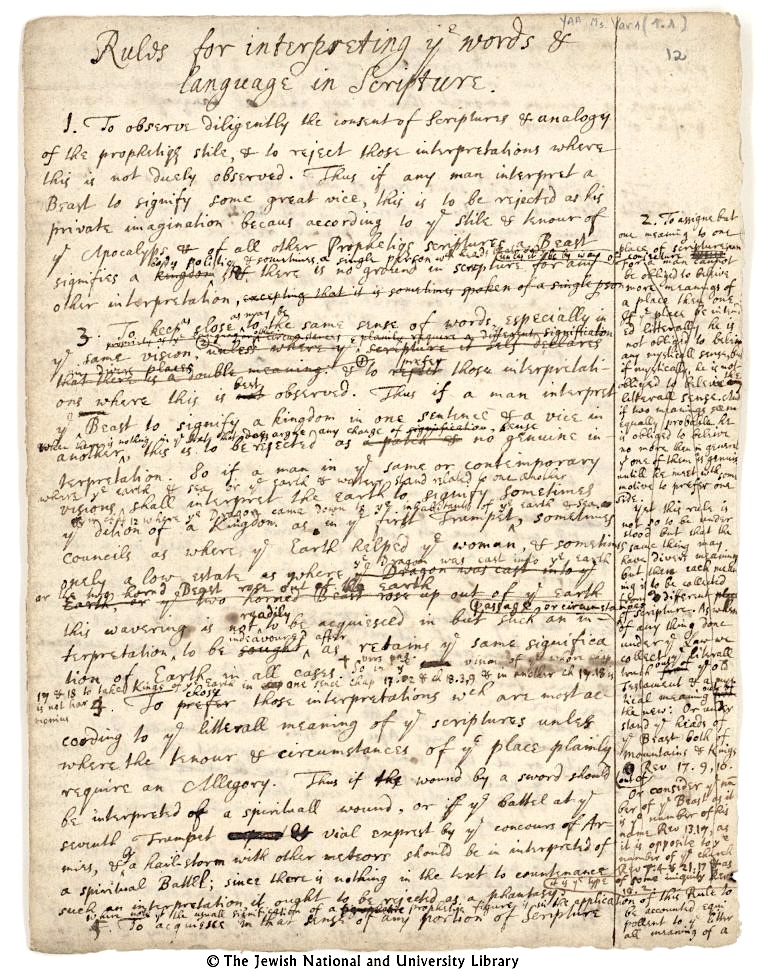
Isaac Newton’s Recipe for the Myth­i­cal ‘Philosopher’s Stone’ Is Being Dig­i­tized & Put Online (Along with His Oth­er Alche­my Man­u­scripts)

How the Bril­liant Col­ors of Medieval Illu­mi­nat­ed Man­u­scripts Were Made with Alche­my

Videos Recre­ate Isaac Newton’s Neat Alche­my Exper­i­ments: Watch Sil­ver Get Turned Into Gold

Hun­dreds of Medieval Med­ical Man­u­scripts with Strange Cures Get Dig­i­tized & Put Online: From Leech­es to Crushed Weasel Tes­ti­cles

The Vision­ary Mys­ti­cal Art of Carl Jung: See Illus­trat­ed Pages from the Red Book

Based in Seoul, Col­in Marshall writes and broad­casts on cities, lan­guage, and cul­ture. He’s the author of the newslet­ter Books on Cities as well as the books 한국 요약 금지 (No Sum­ma­riz­ing Korea) and Kore­an Newtro. Fol­low him on the social net­work for­mer­ly known as Twit­ter at @colinmarshall.

Isaac Asimov Explains His Three Laws of Robots: Do No Harm, Follow Orders, Survive, in That Order

A num­ber of futur­ists, philoso­phers, and technophiles believe we are approach­ing what they call the “sin­gu­lar­i­ty”: a point in time when smart machines become much smarter, stronger, and faster than their cre­ators, and then become self-con­scious. What­ev­er the chance of this occur­ring, it’s worth­while to pon­der the con­se­quences. But we do already, all the time—in exis­ten­tial­ly bleak sce­nar­ios like Blade Run­ner, the Ter­mi­na­tor series, the reboot­ed Bat­tlestar Galac­ti­ca (and its failed pre­quel Capri­ca).

The prospects are nev­er pleas­ant. Robot­ic engi­neers in these worlds hard­ly seem to both­er teach­ing their machines the kind of moral code that would keep them from turn­ing and destroy­ing us (that is, when they aren’t explic­it­ly designed to do so).

I won­der about this con­cep­tu­al gap—convenient as it may be in nar­ra­tive terms—given that Isaac Asi­mov, one of the fore­fa­thers of robot fic­tion invent­ed just such a moral code. In the video above, he out­lines it (with his odd pro­nun­ci­a­tion of “robot”). The code con­sists of three laws; in his fic­tion these are hard­wired into each robot’s “positron­ic brain,” a fic­tion­al com­put­er that gives robots some­thing of a human-like con­scious­ness.

First Law: A robot may not injure a human being, or, through inac­tion, allow a human being to come to harm.

Sec­ond Law: A robot must obey the orders giv­en it by human beings except where such orders would con­flict with the First Law.

Third Law: A robot must pro­tect its own exis­tence as long as such pro­tec­tion does not con­flict with the First or Sec­ond Law.

Isaac Asi­mov devot­ed a good deal of his writ­ing career to the sub­ject of robots, so it’s safe to say, he’d done quite a bit of think­ing about how they would fit into the worlds he invent­ed. In doing so, Asi­mov had to solve the prob­lem of how robots would inter­act with humans once they had some degree of free will. But are his three laws suf­fi­cient? Many of Asimov’s sto­ries—I, Robot, for example—turn on some fail­ure or con­fu­sion between them. And even for their chase scenes, explo­sions, and melo­dra­ma, the three screen explo­rations of arti­fi­cial life men­tioned above thought­ful­ly exploit philo­soph­i­cal ambi­gu­i­ties and insuf­fi­cien­cies in Asimov’s sim­ple sys­tem.

For one thing, while Asimov’s robots were hunks of met­al, tak­ing only vague­ly humanoid form, the robots of our cur­rent imag­in­ings emerge from an uncan­ny val­ley with real­is­tic skin and hair or even a genet­ic code and cir­cu­la­to­ry sys­tem. They are pos­si­ble sex­u­al part­ners, friends and lovers, co-work­ers and supe­ri­ors. They can deceive us as to their nature (a fourth law by Bul­gar­i­an nov­el­ist Lyuben Dilov states that a robot “must estab­lish its iden­ti­ty as a robot in all cas­es”); they can con­ceive chil­dren or desires their cre­ators nev­er intend­ed. These dif­fer­ences beg impor­tant ques­tions: how eth­i­cal are these laws? How fea­si­ble? When the sin­gu­lar­i­ty occurs, will Skynet become aware of itself and destroy us?

Unlike Asi­mov, we now live in a time where the ques­tions have direct applic­a­bil­i­ty to robots liv­ing among us, out­side the pages of sci-fi. As Japan­ese and South Kore­an roboti­cists have found, the three laws can­not address what they call “open tex­ture risk”— unpre­dictable inter­ac­tions in unstruc­tured envi­ron­ments. Humans rely on nuanced and often pre­con­scious read­ings of com­plex social codes and the fine shades of mean­ing embed­ded in nat­ur­al lan­guage; despite many advances, machines are still catch­ing up. Whether or not they can suc­cess­ful­ly devel­op it is an open ques­tion, mak­ing humanoid robots with arti­fi­cial intel­li­gence an “open tex­ture risk.” But as you can see from the video below, we’re per­haps much clos­er to Blade Run­ner or, of course, arti­fi­cial intel­li­gence than to the clunky, inter­stel­lar min­ing machines in Asi­mov’s fic­tion.

Josh Jones is a writer and musi­cian based in Durham, NC.

Note: An ear­li­er ver­sion of this post appeared on our site in 2012.

Relat­ed Con­tent

Isaac Asi­mov Laments the Cult of Igno­rance

200-Year-Old Robots That Play Music, Shoot Arrows & Even Write Poems: Watch Automa­tons in Action

Isaac Asi­mov Reviews George Orwell’s Nine­teen Eighty-Four and Calls It “Not Sci­ence Fic­tion, But a Dis­tort­ed Nos­tal­gia for a Past that Nev­er Was”

Why Reading Egyptian Hieroglyphics Is Easier Than You Think

We’ve fea­tured Egyp­tol­o­gist Ilona Regul­s­ki here on Open Cul­ture a few times before. Once, she explained how to read ancient Egypt­ian hiero­glyphs; anoth­er time, she told us what the Roset­ta Stone actu­al­ly says. It was, per­haps, inevitable that she would cross paths with Rob Watts, cre­ator of the YouTube chan­nel Rob­Words, whose videos we often post. When he made the jour­ney to Berlin’s Neues Muse­um, and specif­i­cal­ly to its Egypt­ian Muse­um, Regul­s­ki was the expert he sought out to tell him — and us — all about how hiero­glyphs, lit­er­al­ly “sacred carv­ings,” actu­al­ly make words.

Faced with a stone chis­eled full of hiero­glyphs, where do we start? Ancient Egypt­ian texts are all read from top to bot­tom, but some go left to right, and oth­ers right to left. To know which way, Regul­s­ki says, we must first look for sym­bols with a clear front and back, such as those in human or ani­mal shapes.

Some names are writ­ten in blocks, them­selves read from top to bot­tom — unless they con­tain a sign refer­ring to a god, which, of course, gets cus­tom­ar­i­ly ele­vat­ed to the top. But even if we under­stand the exact order in which we should read a giv­en string of hiero­glyphs, the ques­tion remains: how do we actu­al­ly do that read­ing?

Though many hiero­glyphs do appear to be fig­u­ra­tive, with their rec­og­niz­able forms of birds, bugs, arms, legs, and such, only some­times are they meant to rep­re­sent what they look like. Regul­s­ki explains that some of these signs are let­ters, and can be pro­nounced in much the same way as our own alpha­bet. What looks like a mouth sounds like an r; a high­ly abstract­ed bread loaf, t; a horned viper, ph; an owl, m. There is, of course, more to it. Signs can be com­bined not just to indi­cate sound, but also to dis­am­biguate mean­ing. As you may have noticed, hiero­glyph­ic writ­ing is also what Watts calls a “vow­el-free zone.” Exact­ly which of those sounds go where is, like cer­tain oth­er unre­solved aspects of hiero­glyphs, a mat­ter of ongo­ing expert inquiry. But Egyp­tol­o­gists, as see­ing Regul­s­ki in action reminds us, are a ded­i­cat­ed bunch.

Relat­ed con­tent:

How to Read Ancient Egypt­ian Hiero­glyphs: A British Muse­um Cura­tor Explains

How to Carve Hiero­glyphs Just Like the Ancient Egyp­tians Did

You Could Soon Be Able to Text with 2,000 Ancient Egypt­ian Hiero­glyphs

An Ani­mat­ed Intro­duc­tion to the Roset­ta Stone, and How It Unlocked Our Under­stand­ing of Egypt­ian Hiero­glyphs

What the Roset­ta Stone Actu­al­ly Says

What Ancient Egypt­ian Sound­ed Like & How We Know It

Based in Seoul, Col­in Marshall writes and broad­casts on cities, lan­guage, and cul­ture. He’s the author of the newslet­ter Books on Cities as well as the books 한국 요약 금지 (No Sum­ma­riz­ing Korea) and Kore­an Newtro. Fol­low him on the social net­work for­mer­ly known as Twit­ter at @colinmarshall.

Dolly Parton’s “Jolene” Slowed Down to 33 RPM Sounds Great and Takes on New, Unexpected Meanings (RIP)

Note: We were sad to see the news that Dol­ly Par­ton passed away. Today we are bring­ing back one of our favorite Dol­ly Par­ton posts. She will be missed.

The Wal­rus isDol­ly Par­ton?

Not every record yields gold when played back­wards or spun more slow­ly than rec­om­mend­ed, but a 45 of Parton’s 1973 hit “Jolene” played at 33 RPM not only sounds won­der­ful, it also man­ages to reframe the nar­ra­tive.

As Andrea Den­Hoed notes in The New York­er, “Slow Ass Jolene,” above, trans­forms Parton’s “baby-high sopra­no” into some­thing deep, soul­ful and seem­ing­ly, male.

In its orig­i­nal ver­sion, the much-cov­ered “Jolene” is a straight up woman-to-woman chest-bar­ing. Our nar­ra­tor knows her man is obsessed with the sexy, auburn-haired Jolene, to the point where he talks about her in his sleep.

Appar­ent­ly she also knows bet­ter than to raise the sub­ject with him. Instead, she appeals to Jolene’s sense of mer­cy:

You could have your choice of men

But I could nev­er love again

He’s the only one for me, Jolene

The song is some­what auto­bi­o­graph­i­cal, though the sit­u­a­tion was nowhere near as dire as lis­ten­ers might assume. In an inter­view with NPR, Par­ton recalled a red-haired bank teller who devel­oped a big crush on her hus­band when she was a young bride:

And he just loved going to the bank because she paid him so much atten­tion. It was kin­da like a run­ning joke between us — when I was say­ing, ‘Hell, you’re spend­ing a lot of time at the bank. I don’t believe we’ve got that kind of mon­ey.’ So it’s real­ly an inno­cent song all around, but sounds like a dread­ful one. 

For the record, the teller’s name wasn’t Jolene.

Jolene was a pret­ty lit­tle girl who attend­ed an ear­ly Par­ton con­cert. Par­ton was so tak­en with the child, and her unusu­al name, that she resolved to write a song about her.

Yes, the kid had red hair and green eyes.

Wouldn’t it be wild if she grew up to be a bank teller?

I digress…

In the orig­i­nal ver­sion, the irre­sistible cho­rus where­in the soon-to-be-spurned par­ty invokes Jolene’s name again and again is plain­tive and fierce.

In the slow ass ver­sion, it’s plain­tive and sad.

The pain is the same, but the sit­u­a­tion is much less straight­for­ward, thanks to blur­ri­er gen­der lines.

Par­ton told NPR that women are “always threat­ened by oth­er women, peri­od.”

Jolene’s prodi­gious fem­i­nine assets could also prove wor­ri­some to a gay man whose bisex­u­al lover’s eye is prone to wan­der.

Or maybe the singer and his man live in a place where same-sex unions are frowned on. Per­haps the singer’s man craves the com­fort of a more social­ly accept­able domes­tic sit­u­a­tion.

Or per­haps Jolene is one hot female-iden­ti­fied toma­to, and as far as the singer’s man’s con­cerned, his pas­tor and his granny can go to hell! Jolene’s the only one for him.

Or, as one wag­gish Youtube com­menter suc­cinct­ly put it, “Jolene bet­ter stay the hell away from Roy Orbi­son’s man!”

Jolene, Jolene, Jolene, Jolene

I’m beg­ging of you please don’t take my man

Jolene, Jolene, Jolene, Jolene

Please don’t take him just because you can

Your beau­ty is beyond com­pare

With flam­ing locks of auburn hair

With ivory skin and eyes of emer­ald green

Your smile is like a breath of spring

Your voice is soft like sum­mer rain

And I can­not com­pete with you, Jolene

He talks about you in his sleep

There’s noth­ing I can do to keep

From cry­ing when he calls your name, Jolene

And I can eas­i­ly under­stand

How you could eas­i­ly take my man

But you don’t know what he means to me, Jolene

Jolene, Jolene, Jolene, Jolene

I’m beg­ging of you please don’t take my man

Jolene, Jolene, Jolene, Jolene

Please don’t take him just because you can

You could have your choice of men

But I could nev­er love again

He’s the only one for me, Jolene

I had to have this talk with you

My hap­pi­ness depends on you

And what­ev­er you decide to do, Jolene

Jolene, Jolene, Jolene, Jolene

I’m beg­ging of you please don’t take my man

Jolene, Jolene, Jolene, Jolene

Please don’t take him even though you can

Jolene, Jolene

via @WFMU

Note: An ear­li­er ver­sion of this post appeared on our site in 2018.

Relat­ed Con­tent:

Feel Strange­ly Nos­tal­gic as You Hear Clas­sic Songs Reworked to Sound as If They’re Play­ing in an Emp­ty Shop­ping Mall: David Bowie, Toto, Ah-ha & More

Hear Nirvana’s “Smells Like Teen Spir­it” Shift­ed from Minor to Major Key, and Radiohead’s “Creep” Moved from Major to Minor

R.E.M.’s “Los­ing My Reli­gion” Reworked from Minor to Major Scale

Ayun Hal­l­i­day is an author, illus­tra­tor, and the­ater mak­er in NYC.

by | Permalink | Make a Comment ( 1 ) |

The Wisdom of David Bowie: On Art, Religion, Technology and More

It does­n’t quite ring true to call David Bowie a rock star. Zig­gy Star­dust, the neon syn­thet­ic-clad alien alter ego he both cre­at­ed and retired in the ear­ly sev­en­ties, was, of course, rock star­dom out­landish­ly per­son­i­fied. But then, that was the con­cept of what turned out to be just one of many per­son­ae he delib­er­ate­ly craft­ed through­out the course of his career. That career was in music, pri­mar­i­ly, but look­ing back on it today, more than a decade after Bowie’s death, it looks more like his medi­um was cul­ture itself. That’s under­scored by his inter­views, clips from a vari­ety of which appear in the new video above from YouTube chan­nel T&H Inspi­ra­tion.

Most of T&H’s most pop­u­lar videos add visu­als to speech­es by the pop­u­lar­iz­er of East­ern phi­los­o­phy Alan Watts, who’s been fea­tured here on Open Cul­ture before. He and Bowie had more in com­mon than it may seem at first, begin­ning with an Eng­lish­ness that remained thor­ough­go­ing no mat­ter how far out they ven­tured into the world.

Though Watts’ inter­est in Bud­dhism hard­ly needs stat­ing, it’s worth remem­ber­ing that he chose to be ordained as an Epis­co­palian priest rather than as a Bud­dhist monk. The young Bowie, for his part, very near­ly took the lat­ter path, study­ing under the late Lama Chime Rin­poche, who even­tu­al­ly told him he’d be bet­ter off going into the music busi­ness.

Bowie did so, of course, but with a new “sense of tran­sience and change, which actu­al­ly became fun­da­men­tal to my life and my approach to it,” as he put it decades lat­er. That sense man­i­fests even in his ear­ly work, but embrac­ing and even pur­su­ing imper­ma­nence — the imper­ma­nence of sounds, of fash­ions, of hit records, of life itself — also kept him from get­ting mired in the irrel­e­vance or auto-kitsch that threat­ens every super­star. Giv­en the belief that noth­ing lasts for­ev­er, “look­ing for the source of one’s own being becomes much more impor­tant,” as does attempt­ing artis­tic or intel­lec­tu­al chal­lenges at the very edge of one’s abil­i­ties. Alan Watts would prob­a­bly have agreed. The big­ger ques­tion is, did he ever hear “Changes”?

Relat­ed Con­tent:

David Bowie Offers Advice for Aspir­ing Artists: “Go a Lit­tle Out of Your Depth,” “Nev­er Ful­fill Oth­er People’s Expec­ta­tions”

David Bowie on Why It’s Crazy to Make Art — and We Do It Any­way (1998)

The Art Col­lec­tion of David Bowie: An Intro­duc­tion

David Bowie Pre­dicts the Good & Bad of the Inter­net in 1999: “We’re on the Cusp of Some­thing Exhil­a­rat­ing and Ter­ri­fy­ing”

How Leonard Cohen & David Bowie Faced Death Through Their Art: A Look at Their Final Albums

Stream David Bowie’s Com­plete Discog­ra­phy in a 19-Hour Playlist: From His Very First Record­ings to His Last

Based in Seoul, Col­in Marshall writes and broad­casts on cities, lan­guage, and cul­ture. He’s the author of the newslet­ter Books on Cities as well as the books 한국 요약 금지 (No Sum­ma­riz­ing Korea) and Kore­an Newtro. Fol­low him on the social net­work for­mer­ly known as Twit­ter at @colinmarshall.

The Very First Film Adaptation of Mary Shelley’s Frankenstein, a Thomas Edison Production (1910)

The sto­ry of humans cre­at­ing mon­strous beings in their image may have peren­ni­al rel­e­vance, even if it seems spe­cif­ic to our con­tem­po­rary cul­tur­al moment. What, after all, is Oscar Isaac’s AI inven­tor in Ex Machi­na but a 21st-cen­tu­ry update of Vic­tor Franken­stein? (Before Isaac went on to por­tray Vic­tor him­self in Guiller­mo del Toro’s 2025 film adap­ta­tion.) And what is Frankenstein’s mon­ster but a Goth­ic recre­ation of the Golem, or any num­ber of folk­loric automa­tons in cul­tures far and wide? It’s an age-old arche­typ­al sto­ry that seems to get an update every year.

Peo­ple have imag­ined mak­ing arti­fi­cial peo­ple, per­haps for as long as peo­ple have told sto­ries. But each iter­a­tion of that sto­ry emerges from a his­tor­i­cal matrix of par­tic­u­lar tech­no­log­i­cal, philo­soph­i­cal, and meta­phys­i­cal anx­i­eties. In the case of Ex Machi­na, we have not only a think­ing, feel­ing humanoid, but one cre­at­ed out of mass data col­lec­tion and designed to serve the pruri­ent inter­ests of a Niet­zschean ven­ture cap­i­tal­ist engi­neer.

In the orig­i­nal Franken­stein, a nov­el writ­ten by a woman, Mary Shel­ley, we have a very dif­fer­ent kind of mon­ster, born out of a Roman­tic con­ver­gence of inter­est in alche­my and the occult—the orig­i­nal domains of ear­ly mod­ern sci­en­tists like Isaac Newton—and more mod­ern, indus­tri­al sci­en­tif­ic meth­ods (hence the novel’s sub­ti­tle, The Mod­ern Prometheus). Many crit­ics have called the nov­el the first work of sci­ence fic­tion, and many, like Mau­rice Hin­dle in the intro­duc­tion to the Pen­guin Clas­sics edi­tion, have described its main theme as “the aspi­ra­tion of mod­ern mas­culin­ist sci­en­tists to be tech­ni­cal­ly cre­ative divini­ties.”

And yet, writes Ruth Franklin at the New Repub­lic—draw­ing con­vinc­ing­ly on Shelley’s own trau­mat­ic expe­ri­ences with birth—Franken­stein might “also be a sto­ry about preg­nan­cy.” Intrigu­ing as this pos­si­bil­i­ty may be, most inter­pre­ta­tions of the nov­el have seen it as “a fable of mas­cu­line repro­duc­tion, in which a man cre­ates life asex­u­al­ly.” That tra­di­tion con­tin­ues in the movies with the first film adap­ta­tion of Franken­stein, made by Edi­son stu­dios just over 100 years after the novel’s 1818 pub­li­ca­tion.

The 1910 short silent film, which you can watch above, bills itself as “a lib­er­al adap­ta­tion from Mrs. Shel­ley’s famous sto­ry,” and opens in its first scene with Vic­tor Franken­stein leav­ing home for col­lege. Two years lat­er, the Faus­t­ian mad sci­en­tist dis­cov­ers the mys­tery of life, uses the knowl­edge to make his “creature”—a sur­pris­ing­ly grotesque scene—and, appalled at the sight of it, rejects the thing in hor­ror. The rest of the sto­ry pro­ceeds along the usu­al lines, as the mon­ster, in rags and fright wig, seeks recog­ni­tion from his creator/parent and wreaks hav­oc when he does not receive it.

This first Franken­stein film, direct­ed by J. Sear­le Daw­ley, arrived two years after Edis­on’s Bronx, New York stu­dios began full and very lucra­tive oper­a­tions, and, by this time, writes Rich Drees, motion pic­tures had begun to receive unwel­come atten­tion from “moral cru­saders and reform groups, who decried the new medi­um as being dan­ger­ous and encour­ag­ing of immoral­i­ty.” Edi­son respond­ed quick­ly, fear­ing “a seri­ous threat to his bot­tom line,” and ordered that his films’ pro­duc­tion qual­i­ty and “moral tone” be improved.

Franken­stein, writes Drees, “was the per­fect choice to kick off pro­duc­tion under this new moral ban­ner. It’s a sto­ry that deals with the extremes of the human con­di­tion, life and death, and the dan­gers of tam­per­ing in God’s realm.” Edi­son released the film with the fol­low­ing dis­claimer:

To those famil­iar with Mrs. Shelley’s sto­ry it will be evi­dent that we have care­ful­ly omit­ted any­thing which might be any pos­si­bil­i­ty shock any por­tion of the audi­ence. In mak­ing the film the Edi­son Co. has care­ful­ly tried to elim­i­nate all actu­al repul­sive sit­u­a­tions and to con­cen­trate its endeav­ors upon the mys­tic and psy­cho­log­i­cal prob­lems that are to be found in this weird tale. Wher­ev­er, there­fore, the film dif­fers from the orig­i­nal sto­ry it is pure­ly with the idea of elim­i­nat­ing what would be repul­sive to a mov­ing pic­ture audi­ence. 

Five years after the Edi­son stu­dio’s short, anoth­er silent adap­ta­tion, Life With­out Soul, appeared. Made by the Ocean Film Cor­po­ra­tion, this film is now lost to his­to­ry, but it qual­i­fies as the first fea­ture-length adap­ta­tion at 70 min­utes. A review of the film, writes the blog Franken­steinia, “reveals a sto­ry that hews fair­ly close to Mary Shel­ley’s nov­el,” mak­ing a “bold attempt at cap­tur­ing the world-span­ning sweep of the tale.”

Sev­er­al dozen film adap­ta­tions in the ensu­ing years have tracked more or less close­ly to Shel­ley’s narrative—giving Franken­stein’s mon­ster a bride and hav­ing Vic­tor Franken­stein rean­i­mate his dead lover with the mind of a wrong­ly exe­cut­ed man. But none of these films, so far as I know, has drawn out the sub­text of Franken­stein as a nov­el about preg­nan­cy and child­birth. Such an adap­ta­tion remains to be made—although Mag­gie Gyl­len­haal’s 2026 film The Bride! has become the first adap­ta­tion by a woman.

You can find Mary Shel­ley’s Franken­stein in our col­lec­tions of Free eBooks and Free Audio Books.

The film above will be added to our col­lec­tion, 4,000+ Free Movies Online: Great Clas­sics, Indies, Noir, West­erns, Doc­u­men­taries & More.

Note: An ear­li­er ver­sion of this post appeared on our site in 2016.

Relat­ed Con­tent:

The First Hor­ror Film, George Méliès’ The Manor of the Dev­il (1896)

Franken­wee­nie: Tim Bur­ton Turns Franken­stein Tale into Dis­ney Kids Film (1984)

Mary Shelley’s Hand­writ­ten Man­u­scripts of Franken­stein Now Online for the First Time

Josh Jones is a writer and musi­cian based in Durham, NC.

The Daily Routine of Marcus Aurelius: How to Live Like a Stoic

Mar­cus Aure­lius did not have a smart­phone. In fact, he did­n’t have a phone of any kind, owing to the fact that he lived in the sec­ond cen­tu­ry, though we can be rea­son­ably cer­tain that he com­mand­ed more than enough mes­sen­gers to keep him­self informed around the clock. That’s because he was the Roman emper­or at a time when the Roman Empire was at its height. And so, none of us will ever know Mar­cus’ free­dom from dig­i­tal dis­trac­tion, nor will we know the intense respon­si­bil­i­ty he must have felt, no mat­ter how grand a title we attain in our own careers. Still, even here in the twen­ty-first cen­tu­ry, we would all do well to live by the exam­ple he left.

So believes Ryan Hol­i­day, a pop­u­lar­iz­er of Sto­icism, the school of thought pri­mar­i­ly defined by Mar­cus’ writ­ings, as well as those of states­man-drama­tist Seneca the Younger and for­mer slave Epicte­tus. In his Med­i­ta­tions, Mar­cus includ­ed enough detail about his own life that Hol­i­day could make the video above for his YouTube chan­nel Dai­ly Sto­ic, which breaks down the emper­or’s dai­ly rou­tine.

He rose at dawn, but not out of nat­ur­al incli­na­tion. He did his reflec­tion, includ­ing a real­is­tic adjust­ment of his expec­ta­tions for the day, before the siege of duties and requests began. He defined time for what Cal New­port, Hol­i­day’s col­league in the smarter regions of dig­i­tal-era self-help, would call deep work.

As with any pop­u­lar­iza­tion, Hol­i­day con­veys Mar­cus’ life and thought in terms the man him­self would­n’t rec­og­nize, even if they were trans­lat­ed into Latin. One fash­ion­able expres­sion he does­n’t use but could have is “work-life bal­ance.” “Mar­cus was not all about busi­ness,” Hol­i­day says. “We know that he was active in phys­i­cal exer­cise. We know that he enjoyed box­ing and wrestling and hunt­ing and horse­back rid­ing. We know that he would take walks.” He would also go to the Colos­se­um, though with­out hid­ing his lack of inter­est in glad­i­a­to­r­i­al com­bat. If he spent more time read­ing and think­ing in his prime seat than get­ting into the spir­it of the games, why attend at all? Per­haps he thought in the man­ner of Mar­tial, a poet of an ear­li­er gen­er­a­tion whose sen­ti­ments would nev­er­the­less ring true with Sto­ics ancient or mod­ern: “These are my times, and I must know them.”

Relat­ed Con­tent:

Mar­cus Aure­lius’ 9 Rules for Liv­ing a Sto­ic Life

Why Jer­ry Sein­feld Lives by the Sto­ic Phi­los­o­phy of Mar­cus Aure­lius

An Ani­mat­ed Intro­duc­tion to Sto­icism, the Ancient Greek Phi­los­o­phy That Lets You Lead a Hap­py, Ful­fill­ing Life

How to Be a Sto­ic in Your Every­day Life: Phi­los­o­phy Pro­fes­sor Mas­si­mo Pigli­uc­ci Explains

What Is Sto­icism? A Short Intro­duc­tion to the Ancient Phi­los­o­phy That Can Help You Cope with Our Hard Mod­ern Times

The Dai­ly Rou­tines of Famous Cre­ative Peo­ple, Pre­sent­ed in an Inter­ac­tive Info­graph­ic

Based in Seoul, Col­in Marshall writes and broad­casts on cities, lan­guage, and cul­ture. He’s the author of the newslet­ter Books on Cities as well as the books 한국 요약 금지 (No Sum­ma­riz­ing Korea) and Kore­an Newtro. Fol­low him on the social net­work for­mer­ly known as Twit­ter at @colinmarshall.

The Women of the Bauhaus: See Hip, Avant-Garde Photographs of Female Students & Instructors at the Famous Art School

Take a look at pho­tos of Bush Tetras — a three-girl-one-guy No Wave/­Post-Punk band from the ear­ly 1980s down­town Man­hat­tan scene. Now, look at the pho­to­graph above, “Mar­cel Breuer and His Harem,” by Bauhaus pho­tog­ra­ph­er Erich Con­semüller, tak­en some­time around 1927. Except for the fact that Breuer looks more like Ron Mael of Sparks sans mus­tache than drum­mer Dee Pop, one might mis­take this for a pho­to of the punk band. This rais­es a few ques­tions: did art stu­dents Bush Tetras look to the women of the Bauhaus for their style? Or did the women of the Bauhaus look to the future and see punk? The sec­ond sce­nario seems more like­ly since the women of the Bauhaus have not, until recent­ly, been ter­ri­bly well-known.

I per­son­al­ly feel cheat­ed after study­ing art and art his­to­ry in col­lege many years ago and only now get­ting intro­duced to sev­er­al sig­nif­i­cant artists of the rad­i­cal Ger­man art school found­ed by Wal­ter Gropius. All of its famous expo­nents and art stars are men, but it seems the gen­der ratio of the Bauhaus was clos­er to that of the gen­er­al pop­u­la­tion (as was, in many cas­es, that of the ear­ly punk and post-punk scenes).

But we don’t tend to learn the names or see the work of these artists, and, in some cas­es, their work has been posthu­mous­ly attrib­uted to their male col­leagues. Nor are we famil­iar with their pro­gres­sive per­son­al style, essen­tial in the Bauhaus’s total approach to rev­o­lu­tion­iz­ing the arts, includ­ing fash­ion, as a way to lib­er­ate human­i­ty from the dog­mas of the past.

How unfor­tu­nate that the mem­o­ry of the Bauhaus, like the mem­o­ry of punk, repli­cat­ed the same old rules its artists broke. The school’s gen­der equal­i­ty was rad­i­cal, hence the pho­tograph’s satir­i­cal title, which “express­es the pre­cise oppo­site of what the pho­to itself shows,” notes the site Bauhaus Koop­er­a­tion: “the moder­ni­ty, eman­ci­pa­tion, equal­i­ty, or even supe­ri­or­i­ty, of the women in it.” The “junior mas­ter” of the car­pen­try work­shop, Breuer looks at the three artists to his left “skep­ti­cal­ly, with his arms crossed,” as if to say, “ ‘These are ‘my’ women?!’ ” The artists of the “harem,” from left to right, are Breuer’s wife Martha Erps, Katt Both, and the pho­tog­ra­pher’s wife, Ruth Hol­lós, who “seems to be sup­press­ing laugh­ter as she looks towards the pho­tog­ra­ph­er (her hus­band).”

Erich Con­semüller, who taught archi­tec­ture at the Bauhaus, had been tasked by Gropius with doc­u­ment­ing the school and its life. Gropius part­nered him with pho­tog­ra­ph­er Lucia Moholy, wife of Lás­zló Moholy-Nagy (see a pho­to of her above, tak­en by her hus­band some­time between 1924 and 28). Moholy took most­ly exte­ri­or shots like the pho­to­graph by her fur­ther up of Erps and Hol­lós on the roof of the Ate­lier­haus in Dessau in the mid-1920s. Con­semüller main­ly focused on inte­ri­ors in his work, with exper­i­men­tal excep­tions like the “Mechan­i­cal Fan­ta­sy” series seen here, which uses cloth­ing, pos­es, and dou­ble expo­sures to visu­al­ly empha­size a kind of uni­for­mi­ty of pur­pose, plac­ing and join­ing male and female Bauhaus artists in almost typo­log­i­cal arrange­ments.

Indeed, near­ly all of the artists of the Bauhaus — as was the school’s prac­tice — tried their hand at pho­tog­ra­phy, and many used the medi­um to doc­u­ment, in ways both casu­al and delib­er­ate, the Bauhaus’s com­mit­ment to gen­der equi­ty and the full inclu­sion of women artists in its pro­grams, a state­ment painter and pho­tog­ra­ph­er T. Lux Feininger seems to under­line in the group pho­to­graph below of the school’s weavers on the steps of the new Bauhaus build­ing in 1927. (Artists in the shot: Léna Bergn­er, Gun­ta Stöl­zl, Lju­ba Mona­s­tirsky, Otti Berg­er, Lis Bey­er, Elis­a­beth Mueller, Rosa Berg­er, Ruth Hol­lós, and Lis­beth Oestre­ich­er.)

Bauhaus artists, both men and women, were very much like ear­ly punks in some ways, invent­ing new ways to shake up the estab­lish­ment and break out of pre­scribed roles. But instead of a down­town alter­na­tive to the sta­tus quo, they offered a recipe for its full trans­for­ma­tion through art. Who can say how far that move­ment would have pro­gressed had it not been splin­tered by the Nazis? “Togeth­er,” as Gropius wrote, “let us call for, devise, and cre­ate the con­struc­tion of the future, com­pris­ing every­thing in one form, archi­tec­ture, sculp­ture and paint­ing,” and most every­thing else in the built and visu­al envi­ron­ments, he might have added.

via Bar­bara Her­shey

An ear­li­er ver­sion of this post appeared on our site in 2022.

Relat­ed Con­tent:

The Female Pio­neers of the Bauhaus Art Move­ment: Dis­cov­er Gertrud Arndt, Mar­i­anne Brandt, Anni Albers & Oth­er For­got­ten Inno­va­tors

The Pol­i­tics & Phi­los­o­phy of the Bauhaus Design Move­ment: A Short Intro­duc­tion

Watch Bauhaus World, a Free Doc­u­men­tary That Cel­e­brates the 100th Anniver­sary of Germany’s Leg­endary Art, Archi­tec­ture & Design School

Josh Jones is a writer and musi­cian based in Durham, NC.

Why Americans Stopped Reading Books

The kids can’t read. Such has been the impli­ca­tion, even the dec­la­ra­tion, made by a wave of arti­cles in recent years. But the state­ment needs some qual­i­fi­ca­tion: the kids in ques­tion are Amer­i­can; what they can’t read is entire books, espe­cial­ly lit­er­ary fic­tion; and it isn’t just the kids in the first place. It would be the rare read­er, espe­cial­ly of a site like Open Cul­ture, who could resist feel­ing any despair when con­front­ed with, say, a study find­ing that only five per­cent of col­lege Eng­lish majors test­ed could under­stand the open­ing of Bleak House. But the real prob­lem is broad­er, as reflect­ed by the fram­ing of the Jared Hen­der­son video above, “Why Every­one Stopped Read­ing.”

Hen­der­son points to sev­er­al explana­to­ry fac­tors. The first is the way many Amer­i­can schools teach read­ing: for a time, they aban­doned the method of phon­ics, which starts with basic indi­vid­ual sounds and builds from there, and went all in on some­thing called “whole lan­guage learn­ing,” which was based on teach­ing stu­dents to “infer the mean­ings of words from con­text.” The idea was that, rather than rely­ing on rote drilling, the new sys­tem could cul­ti­vate a nat­ur­al love for read­ing in young stu­dents. “The only prob­lem is that whole lan­guage learn­ing did­n’t work,” and the result­ing drop in lit­er­a­cy rates sure­ly has some­thing to do with the dra­mat­ic falloff of read­ing in gen­er­al.

Oth­er U.S. edu­ca­tion­al reforms, such as the nation­wide push toward short infor­ma­tion­al texts and stan­dard­ized test­ing, which pri­or­i­tized infor­ma­tion extrac­tion over tex­tu­al engage­ment, must also share the blame. This has pro­duced an abun­dance of, to bor­row the head­line of Rose Horow­itch’s much-cir­cu­lat­ed Atlantic piece from 2024, “Elite Col­lege Stu­dents Who Can’t Read Books.” Those same stu­dents, of course, have all come of age in the time of the smart­phone, which does pro­vide us with an “end­less stream of text,” albeit of low-to-nonex­is­tent lit­er­ary mer­it — to say noth­ing of the infi­nite scroll of hyper-stim­u­lat­ing short-form videos absorb­ing ever-greater pro­por­tions of dai­ly life, and not just that of the young.

“Amer­i­cans, once mem­bers of a proud­ly lit­er­ate soci­ety, read much less than they used to,” writes Horow­itch in a new, in-depth piece on the coun­try’s “post-lit­er­a­cy.” “Few­er than half of all adults report­ed hav­ing read a book of any kind in 2022. Only 38 per­cent read a nov­el or short sto­ry.” At the same time, “gam­bling has become a more com­mon leisure activ­i­ty than read­ing a book: Last year, 57 per­cent of Amer­i­cans placed a bet.” The now-main­stream notion that Amer­i­ca (and, in time, the world) is revert­ing from a tex­tu­al to an oral cul­ture was first fore­seen by the likes of Mar­shall McLuhan, Neil Post­man, and Wal­ter J. Ong. But many here in the twen­ty-first cen­tu­ry might hear their con­di­tion described in a more relat­able fash­ion by David Bowie, in his Tin Machine peri­od, near­ly forty years ago.

Relat­ed con­tent:

How Read­ing Increas­es Your Emo­tion­al Intel­li­gence & Brain Func­tion: The Find­ings of Recent Sci­en­tif­ic Stud­ies

How to Read Books That Chal­lenge Your Mind: Advice from Robert Greene, Author of The 48 Laws of Pow­er

How to Read Many More Books in a Year: Watch a Short Doc­u­men­tary Fea­tur­ing Some of the World’s Most Beau­ti­ful Book­stores

How to Read Five Books Per Month & Become a Seri­ous Read­er: Tips from Deep Work Author Cal New­port

The Virtue of Own­ing Books You Haven’t Read: Why Umber­to Eco Kept an “Antili­brary”

W. H. Auden’s 1941 Syl­labus Asked Stu­dents to Read 32 Great Lit­er­ary Works, Total­ing 6,000 Pages

Based in Seoul, Col­in Marshall writes and broad­casts on cities, lan­guage, and cul­ture. He’s the author of the newslet­ter Books on Cities as well as the books 한국 요약 금지 (No Sum­ma­riz­ing Korea) and Kore­an Newtro. Fol­low him on the social net­work for­mer­ly known as Twit­ter at @colinmarshall.

Discover the Mundaneum, an Early 20th-Century “Internet” That Put the World’s Knowledge on Millions of Index Cards

Pitch to friends or fam­i­ly the idea of a trip to Mons, Bel­gium to vis­it the Mun­da­neum, and you may be met with a less-than-enthu­si­as­tic recep­tion. That’s unfor­tu­nate, since such an expe­ri­ence could fun­da­men­tal­ly change the way they regard tech­nol­o­gy they use every day. Though its name may seem to promise unre­lieved dull­ness today, the Mun­da­neum arose out of enor­mous high-tech ambi­tions. The idea behind it, as con­ceived by Bel­gian lawyers Paul Otlet and Hen­ri La Fontaine, was to gath­er, clas­si­fy, cen­tral­ize, and make uni­ver­sal­ly avail­able all human knowl­edge. This may sound famil­iar to any­one who’s used the inter­net, but it was a rather bold­er propo­si­tion at the turn of the twen­ti­eth cen­tu­ry.

Otlet and La Fontaine’s “city of knowl­edge” may not have been ful­ly real­iz­able at that time, but tech­nol­o­gy had made it imag­in­able. The Dewey Dec­i­mal Sys­tem, with its stan­dard­ized card cat­a­logs, had been around since 1876. Start­ing in 1895, Otlet adapt­ed that basic tool to a far larg­er project: the Mun­da­neum took shape as a vast paper archive. Mil­lions of index cards, each record­ing bib­li­o­graph­ic details about a sin­gle book, arti­cle, or doc­u­ment, were filed away in row upon row of cat­a­log draw­ers. (See image below.)

“Otlet made this card cen­tral to his sys­tem,” writes Sid­ney Perkowitz at JSTOR. “Aim­ing to cap­ture every book ever pub­lished, the Mun­da­neum stored bib­li­o­graph­ic data for books under the UDC [Uni­ver­sal Dec­i­mal Clas­si­fi­ca­tion], along with mag­a­zine arti­cles, images, and more on over 15 mil­lion cards crammed into cat­a­log draw­ers.” Orig­i­nal­ly housed in Brus­sels’ Cinquan­te­naire Palace, the Mun­da­neum was meant to get its own build­ing designed by the for­ward-think­ing Le Cor­busier by the end of the nine­teen-twen­ties. Alas, it was nev­er built, and after the Nazi inva­sion of 1940, the Mun­da­neum was scrapped for a Third Reich art exhi­bi­tion.

Dis­cus­sions of the Mun­da­neum in our time often high­light what Otlet (1868–1944), despite the pro­jec­t’s many tribu­la­tions, even­tu­al­ly envi­sioned as “a glob­al ‘réseau’ or net­work of ‘elec­tric tele­scopes.’ These ear­ly work­sta­tions were to be linked to the Mun­da­neum by tele­phone and the new tech­nol­o­gy of tele­vi­sion. A user would phone in a query, and the answer in a book or oth­er source would appear dis­played on a per­son­al screen, which could be split to show mul­ti­ple results.” Con­vinced that all homes would even­tu­al­ly have access to the net­work, he con­sid­ered even the pos­si­bil­i­ty of “data shar­ing and social inter­ac­tions among its users.” This dream of the inter­net avant la tech­nolo­gie is now enshrined at the Mun­da­neum muse­um, which is open five days a week. Alter­na­tive­ly, you can point your elec­tric tele­scope to its online cat­a­log any time.

Image by Zin­neke, via Wiki­me­dia Com­mons

via JSTOR

Relat­ed Con­tent:

The Rise and Fall of the Great Library of Alexan­dria: An Ani­mat­ed Intro­duc­tion

The First Music Stream­ing Ser­vice Was Invent­ed in 1881: Dis­cov­er the Théâtro­phone

Mark Twain Pre­dicts the Inter­net in 1898: Read His Sci-Fi Crime Sto­ry, “From The ‘Lon­don Times’ in 1904”

Meet the Syn­topi­con: The Ambi­tious Index That Tried to Orga­nize All of West­ern Thought (1952)

What the Entire Inter­net Looked Like in 1973: An Old Map Gets Found in a Pile of Research Papers

Do All Roads Lead to Phi­los­o­phy on Wikipedia?: They Do About 97.3% of the Time

Based in Seoul, Col­in Marshall writes and broad­casts on cities, lan­guage, and cul­ture. He’s the author of the newslet­ter Books on Cities as well as the books 한국 요약 금지 (No Sum­ma­riz­ing Korea) and Kore­an Newtro. Fol­low him on the social net­work for­mer­ly known as Twit­ter at @colinmarshall.

A 1932 Illustrated Map of Harlem’s Night Clubs: From the Cotton Club to the Savoy Ballroom

32 Harlem Map

Harlem’s under­go­ing anoth­er Renais­sance, and has been for years now. Crime’s down, real estate prices are up, and throngs of pale-faced hip­sters are descend­ing to check the area out.

Sure, something’s gained, but something’s lost, too.

For today’s hol­i­day in Harlem, we’re going to climb in the Way­back Machine. Set the dial for 1932. Don’t for­get your map. (Click the image above to view a larg­er ver­sion.)

This deliri­ous arti­fact comes cour­tesy of Elmer Simms Camp­bell (1906–1971), an artist whose race proved an imped­i­ment to career advance­ment in his native Mid­west. Not long after relo­cat­ing to New York City, he had the good for­tune to be befriend­ed by the great Cab Cal­loway, star of the Cot­ton Club. Hi-de-hi-de-hi-de-ho! Check the low­er left cor­ner of your map.

You may notice that the com­pass rose devi­ates rather dras­ti­cal­ly from estab­lished norms. As you’ve no doubt heard, the Bronx is up, and the Battery’s down, but not in this case. Were you to choose those trees in the upper left cor­ner as your start­ing point, you’d be at the top of Cen­tral Park, basi­cal­ly equidis­tant from the east and west sides. (Take the 2 or the 3 to 110th Street…)

But keep in mind that this map is not drawn to scale. I know it looks like the joints are jump­ing from the sec­ond you step off the curb, but in real­i­ty, you’ll need to hoof it 21 blocks from the top of Cen­tral Park to 131st Street for things to start cookin’. Hope­ful­ly, this geo­graph­i­cal lib­er­ty won’t get you too hot under the col­lar. And if it does, well, it may be Pro­hi­bi­tion, but stress-reliev­ing bev­er­ages await you in every loca­tion list­ed, as well as in some 500 speakeasies Camp­bell allowed to remain on the down low.

If that does­n’t do it for you, there’s a guy sell­ing reefer across the street from Earl “Snake­hips” Tuck­er.

As you stag­ger back and forth between Sev­enth Avenue and Lenox (now referred to as Adam Clay­ton Pow­ell Jr. Boule­vard and Mal­colm X Boule­vard), bear in mind that Camp­bell was the first African-Amer­i­can car­toon­ist to be nation­al­ly pub­lished in the New York­er, Play­boy, and Esquire, whose bug-eyed, now retired mas­cot, Esky, was a Camp­bell cre­ation.

In the end, he was an extreme­ly suc­cess­ful illus­tra­tor, though few of his cre­ations are reflec­tive of his race.

The map above, which did dou­ble duty as end­pa­pers for Calloway’s auto­bi­og­ra­phy, Of Min­nie the Moocher and Me, is far clos­er to home.

Right above, see Cab Cal­loway per­form “Hotcha Razz Ma Tazz” at the famous Cot­ton Club, in Harlem, 1935.

via Big Think

Note: An ear­li­er ver­sion of this post appeared on our site in 2014.

Relat­ed Con­tent:

Cab Calloway’s “Hep­ster Dic­tio­nary,” a 1939 Glos­sary of the Lin­go (the “Jive”) of the Harlem Renais­sance

Dis­cov­er Langston Hugh­es’ Rent Par­ty Ads & The Harlem Renais­sance Tra­di­tion of Play­ing Gigs to Keep Roofs Over Heads

Duke Ellington’s Sym­pho­ny in Black, Star­ring a 19-Year-old Bil­lie Hol­i­day

Rare Record­ing of Con­tro­ver­sial­ist, Jour­nal­ist and Amer­i­can Lit­er­ary & Social Crit­ic, H.L. Menck­en

Ayun Hal­l­i­day is an author, illus­tra­tor, and the­ater mak­er in NYC.


  • Great Lectures

  • About Us

    Open Culture scours the web for the best educational media. We find the free courses and audio books you need, the language lessons & educational videos you want, and plenty of enlightenment in between.


    Advertise With Us

  • Archives

  • Search

  • Quantcast